
20 Mar 2026 · 7 min read
The 2026 Google Business Profile checklist for local rankings
Your GBP is the highest-leverage free asset in local marketing. This is the maintenance checklist we run for every local client.
Read97% Client Retention Rate
Partner
Meta
Partner
Partner
TikTok
Partner
Partner
Meta
Business Partner
Certified Marketing Partner
TikTok
Marketing Partner
Local SEO for personal injury law firms is the work of ranking a firm in Google's Map Pack and local organic results for accident and injury searches — the same searches where paid clicks are among the most expensive in all of advertising, which makes organic local position the widest cost gap available in legal marketing, offset by it being the most contested local category there is.
The Keys To Local SEO
Does Google understand which cases you take — auto, truck, premises, medical malpractice, workers' compensation? Each is a separate search, and generalist positioning competes weakly for all of them.
Are you relevant to the area the searcher is in? Map Pack position anchors to your office address, which in a metro with a hundred firms is the constraint that decides where you can realistically win.
Does your firm have the reviews, authority and consistency Google trusts enough to recommend? In the most contested local category in existence, this is where the campaign is actually fought.
Why local SEO matters here
Personal injury has some of the most expensive keywords in all of advertising, and the economics justify it — a signed case can be worth six figures, so a firm can rationally pay hundreds for a single click and still be right to do it.
What that math obscures is that the Map Pack appears on the same page, above the organic results, and costs nothing per click. It is slower and it is harder — this is the most contested local category in existence — but it is the only place on that results page where your competitor's budget does not directly raise your cost.
Why The Map Pack Matters
Of local-search clicks go to the Google Map Pack. BrightLocal, 2026
Of near-me mobile searches lead to a visit within 24 hours. WiserReview / OnTheMap, 2026
Of consumers search online for nearby businesses. WiserReview, 2026
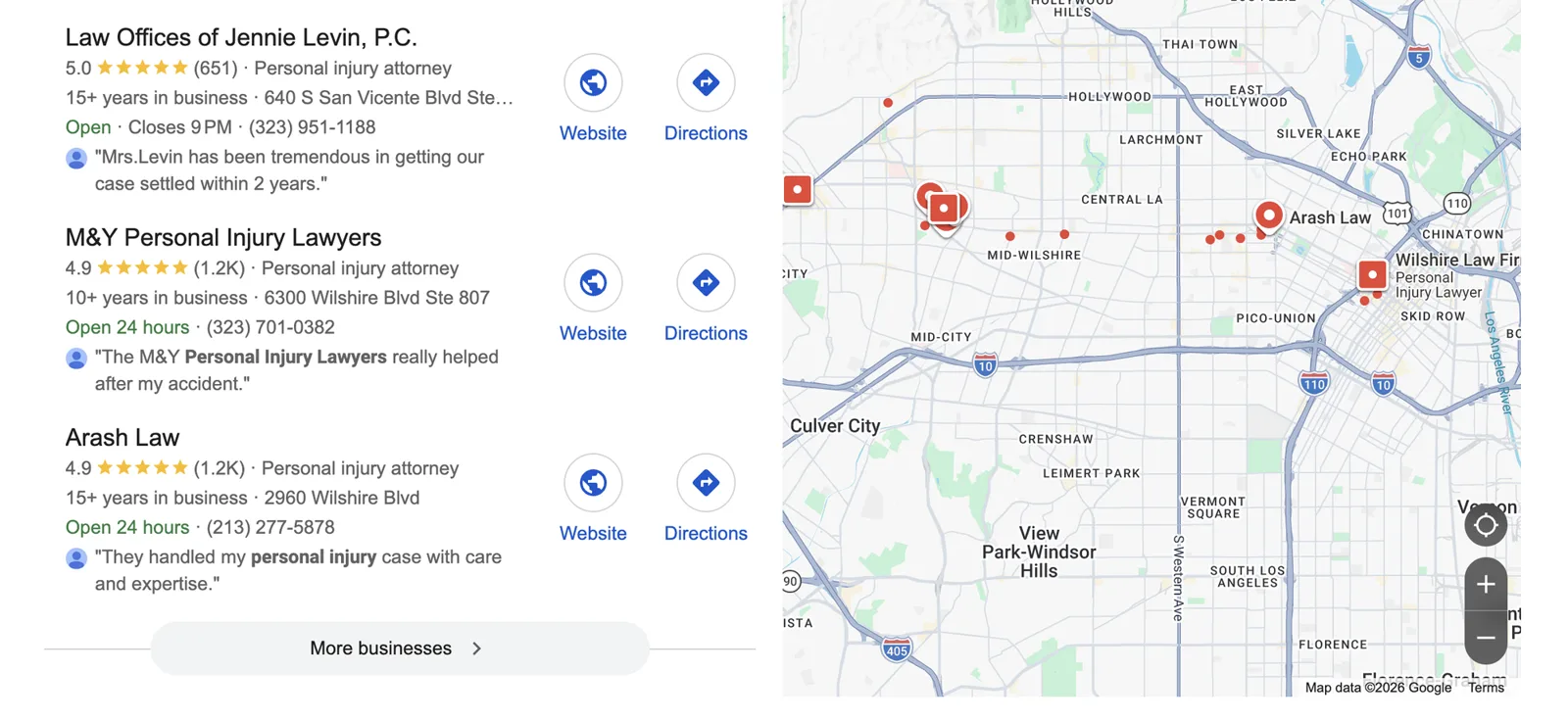
The Framework
Six things decide whether an injury firm is found by someone who has just been hurt. This is the whole list — use it to judge us, or to judge the agency you are already paying.
Personal injury has among the highest costs per click in all of advertising — routinely tens of dollars, sometimes hundreds, for a single visit. A Map Pack position is the same intent, arriving without the auction, which is why the arithmetic in this practice area is unlike any trade in this matrix.
Where it goes wrong: Judging this channel on the same monthly timeline as the ad account. It pays later and then it keeps paying, and firms that cancel at month three do so at exactly the point the comparison was about to turn.
Car accident, truck accident, slip and fall, workers' compensation and medical negligence are different searches, different case values and different searchers. Each needs a page that speaks to that injury specifically.
Where it goes wrong: A single “personal injury” page carrying every case type. It ranks for the most competitive term and nothing else, and it wins the smallest cases on the list.
Someone injured on a highway searches from where they live, which may be an hour from your office. Genuine content about the areas and courts you serve is how you become relevant beyond the block your building sits on.
Where it goes wrong: Twelve pages identical apart from the city name. It is the most common legal SEO deliverable and the one Google most reliably declines to rank — and in a regulated profession it also reads badly to a reader.
Reviews matter as much here as anywhere, but many state bars restrict how outcomes may be described and require specific disclaimers on past results. Build the review rhythm around service and communication, which clients can speak to freely, and treat outcome claims as a compliance question first.
Where it goes wrong: Publishing settlement figures without the disclaimers your jurisdiction requires. Check your own state bar's advertising rules before any results page goes live — they vary meaningfully and the rules bind you, not your agency.
How long you have to file, whether it is worth pursuing, what happens to medical bills in the meantime. These searches happen days before anyone types “lawyer”, and the firm that answered them is the firm already trusted when the search finally comes.
Where it goes wrong: Writing only bottom-of-funnel pages. It is the most contested inch of the internet, and ignoring everything above it means arriving in the conversation last.
Contingency terms stated plainly, a real phone number, and a clear promise about what happens after the form is sent. Someone in pain and dealing with an insurer will not persevere through a badly built intake.
Where it goes wrong: A contact form as the only route. In a practice area where the competition answers on the second ring, a form-only firm loses cases it had already earned.
Two honest caveats. Distance from the searcher is a ranking input you cannot move, so a single office earns radius rather than buying it. And none of this replaces paid: injury is the most fiercely bought category in search, and while this work compounds you should expect to keep funding the auction alongside it.
AI Search
When customers ask ChatGPT instead of Google, a different discipline decides who gets named: Answer Engine Optimization (AEO) — the practice behind our AEO service. Here’s how it works — and why it stands on local SEO.
Someone asks AI
“Who’s the best plumber near me?” goes to ChatGPT or an AI Overview instead of a results page.
The engine retrieves
It doesn’t guess — it reads the search index, your Google Business Profile, citations, and reviews. The exact layer local SEO builds.
It answers with 2–3 names
No page one, no ads — and it recommends just 1.2% of local businesses (SOCi, 2026). Cited businesses get the call.
How AEO actually works
Getting named by an answer engine isn’t a different marketing budget — it’s the same local SEO assets, structured so a machine can read them. Here are the five things that decide whether you get quoted, shortest first.
Answer Engine Optimization (AEO) is the practice of structuring your business’s information — your site, schema, profiles, and reputation — so AI engines like ChatGPT, Perplexity, and Google’s AI Overviews can retrieve it, verify it, and cite you in their answers.
It matters because answers are replacing result pages: when an AI Overview appears, clicks on results fall from 15% to 8% and a quarter of sessions end right at the answer (Pew Research, 2025). Increasingly, the recommendation is the visit.
AI retrieves before it answers. Engines pull from search indexes, Maps data, and citations — if SEO hasn’t put you there, there’s nothing for AI to find.
AI trusts SEO’s signals. Complete profiles, consistent NAP, LocalBusiness schema, steady reviews — the foundation Google ranks is what AI verifies against.
AI compresses page one into two or three names. SEO gets you into the retrieval pool; AEO structure is what gets you quoted.
Retrieval happens by passage, not by page. A service page that buries “we replace water heaters in Sherman Oaks” in paragraph six gives an engine nothing clean to lift.
Answer first, elaborate second. Open each section with the direct answer. That block is what gets cited; everything after it is context for the human reading.
Structure everything. LocalBusiness and Service schema, honest headings, FAQ markup — what turns a page of prose into units a machine can address one at a time.
One question per block. If a passage needs the paragraph above it to make sense, it cannot be quoted alone — and it will not be chosen.
What gets retrieved
Water Heater Repair — Sherman Oaks
Founded in 2009, our family-owned team has proudly served the San Fernando Valley with a commitment to quality workmanship and…
We replace and repair water heaters across Sherman Oaks, usually same-day, with 24-hour emergency callout.
Our technicians are background-checked and carry full liability cover…
One self-contained sentence, high on the page. That is the unit an answer engine can quote.
Coverage is what reads as expertise. A page per service and a page per area gives the engine more to retrieve and more reason to treat you as the local authority on that job.
Answer the next question too. Whoever asks who repairs a water heater asks what it costs next. Cover that fan-out and you stay the source across the whole thread.
Connect it on purpose. Hubs and spokes, linked through a real taxonomy, so the pages read as one body of work rather than scattered posts sharing a domain.
Write for meaning, not for keywords. Retrieval matches on semantics. Say it plainly, in the words a customer would use, and the machine has less to guess at.
What a cluster looks like
Water heaters — hub
Services and service areas under one subject — depth the engine can read as expertise.
The local kind: your details, identical everywhere. Directory listings carrying the same name, address and phone. Only 68% of what AI shows currently matches the business’s own Google profile (SOCi, 2026).
The AI kind: being the name that gets quoted. Models synthesise from sources they have seen referenced elsewhere. Appearing where your market is covered makes you a safer name to return.
Reviews are read, not counted. Engines read what reviewers wrote. “Came out at 11pm for a burst pipe” is retrievable evidence; a bare five-star average is not.
Mentions now rival links. An unlinked mention in local press or a community roundup carries weight in retrieval. Digital PR stopped being optional for local businesses.
What AI verifies against
One stale listing is one wrong number an answer engine can hand a customer.
Platforms
 ChatGPT
 Gemini
 Claude
45% of consumers already use ChatGPT or other AI tools to discover local businesses.
BrightLocal, 2026
An AI-search visitor is worth 4.4× a traditional organic visitor — fewer clicks, far higher intent.
Semrush, 2026
Only 68% of business contact details shown in ChatGPT and Perplexity actually match the business’s Google Profile — the rest are out of sync, sending customers to the wrong number, the wrong hours, or to a competitor.
SOCi Local Visibility Index, 2026
Strong AEO stands on strong SEO. The foundation that wins you the map — profile, citations, schema, reviews — is the same data AI reads when it recommends you. Build it once, get found on both.
The work
There is no budget to raise in this channel, only work to sequence — and in personal injury the sequence is longer than anywhere else, because the competition is heavier than anywhere else. Here is what we do, in order.
Your profile is what someone sees three days after an accident: the practice areas, the hours, whether anybody answers now, the call button. It is also the fastest-moving thing you control in this category.
Practice-area accuracy matters more here than most: a generalist listing competes weakly for truck, premises and malpractice searches that are worth substantially more than the general auto term.
Injured people read reviews with unusual care, because they are choosing someone to trust with an outcome they cannot evaluate themselves. Google weighs the same corpus, so one effort serves both.
This is the hardest review environment in the matrix — clients are slow to leave them and cases close long after the moment of gratitude. It has to be a process, not a request.
What to do after an accident, whether to accept the first offer, how long a claim takes, what a case is worth. These searches happen days before anybody looks for a firm, and they are far less contested.
This is where an organic strategy beats a paid one outright, because these queries convert poorly on a cost-per-click basis and superbly on a relationship basis.
If your name, address, phone and bar details disagree across directories, Google trusts all of them a little less — and legal directories are unusually influential in this category.
Legal directory listings carry more weight here than general citations do in the trades. They are worth auditing properly rather than assuming they were done.
Site speed, crawlability, the links between case types and locations. On its own it signs nobody; without it, everything above works at a fraction of its value.
In the most competitive local category there is, technical parity is table stakes rather than an advantage — but being behind on it is a real handicap.
The Timeline
Slower than the trades and worth far more when it lands, because a single signed case can pay for years of the work that found it. Here is the curve we describe on the first call.
Weeks 1–4
The audit grid, the profile rebuild, the practice-area declarations, the citation cleanup. Rankings will look much as they did — this is the month where the work is real and the report is boring.
Weeks 6–12
You start appearing for case types you were simply not entered for. Profile actions move before signed cases do — calls, direction requests and website taps first.
Months 5–9
Slower than the trades, because legal is the most contested category in local search and everyone in it is trying. The flip side is that the same difficulty protects the position once you have it.
Month 12 onward
Effective cost per signed case typically lands far below the paid equivalent — and unlike the ad account, the position does not disappear the month you stop funding it.
Observed ranges across our legal Local SEO accounts, not published research. Market competitiveness, how much of the foundation is already broken, and how many firms in your metro are doing this properly will move all four windows.
What it costs
Personal injury has the most extreme economics in this matrix in both directions — the highest paid costs and the highest case values. Here is the arithmetic we run on the first call, with your numbers rather than these.
| Monthly retainer | $3,000–$8,000 | Higher than every other cell in this column, because the competition is heavier and the content and authority work is correspondingly larger. |
|---|---|---|
| Effective cost per signed case, month 12 | $900–$3,500 | Retainer divided by attributed signed cases once the curve has matured. |
| Paid cost per signed case, for comparison | $3,000–$12,000+ | Shown for contrast, not as our pricing. This is the going rate in competitive metros, and it is the reason the gap is worth waiting for. |
| What you keep if you stop | Most of it | Profile, case-type pages, reviews and citations remain yours and keep ranking, decaying slowly rather than switching off. |
These are our observed ranges across legal Local SEO accounts, not published research — metro saturation, practice mix, firm size and existing authority will move all of them enormously, more than in any other category here. The two cost-per-case rows are the argument; the timeline row above them is the reason it is not free money.
The Programme
Six phases between where you rank today and a Map Pack position that pays for itself many times over. No phase is skippable — each one feeds the next.
AdFury AI maps exactly where you rank in the Map Pack and local organic for your money keywords, at every point across your real service area — and cross-checks whether your profile and listings are accurate everywhere customers (and AI) look. Your strategist starts from a grid, not a hunch.
You get:A baseline grid showing where you rank, where you’re invisible, and who’s beating you.
We complete and optimize your profile end to end — categories, services, attributes, photos, posts, Q&A — the highest-leverage, most-skipped work in local SEO. After launch, AdFury AI keeps watch, flagging missing fields, category drift, and the changes Google makes silently.
You get:A fully optimized profile built to earn clicks, calls, and direction requests.
We make your Name, Address, and Phone identical across every directory and platform that feeds Google and AI. AdFury AI then monitors those listings continuously and flags the moment one drifts out of sync — the quiet gaps that suppress rankings and misinform AI answers.
You get:Clean, consistent listings everywhere that matters.
We build genuine service and location pages and tune your site’s local relevance — the top driver of local organic visibility. AdFury AI tracks which pages are winning their keywords, where rankings decay, and which nearby areas are gaps worth building next.
You get:Pages engineered to rank for the places and services you actually serve.
We build a steady, ethical review engine and earn local links and citations that grow your prominence over time — while AdFury AI tracks review velocity, response times, and your competitors’ reputation moves, so authority compounds instead of plateauing.
You get:Rising review velocity and authority that compounds.
AdFury AI watches your rankings around the clock — Map Pack movement, calls, direction requests, review velocity — and surfaces the signals that matter. The judgment calls stay human: your strategist turns that intelligence into next moves, not a monthly PDF.
You get:A living dashboard tied to real customer actions, not vanity metrics.
The Proof
Four cities, four trades, one program. Red pins are Map Pack positions nobody scrolls to; green stars are the top three. Drag the divider on any map to compare — illustrative rank grids, and your free audit builds the real one for your city.
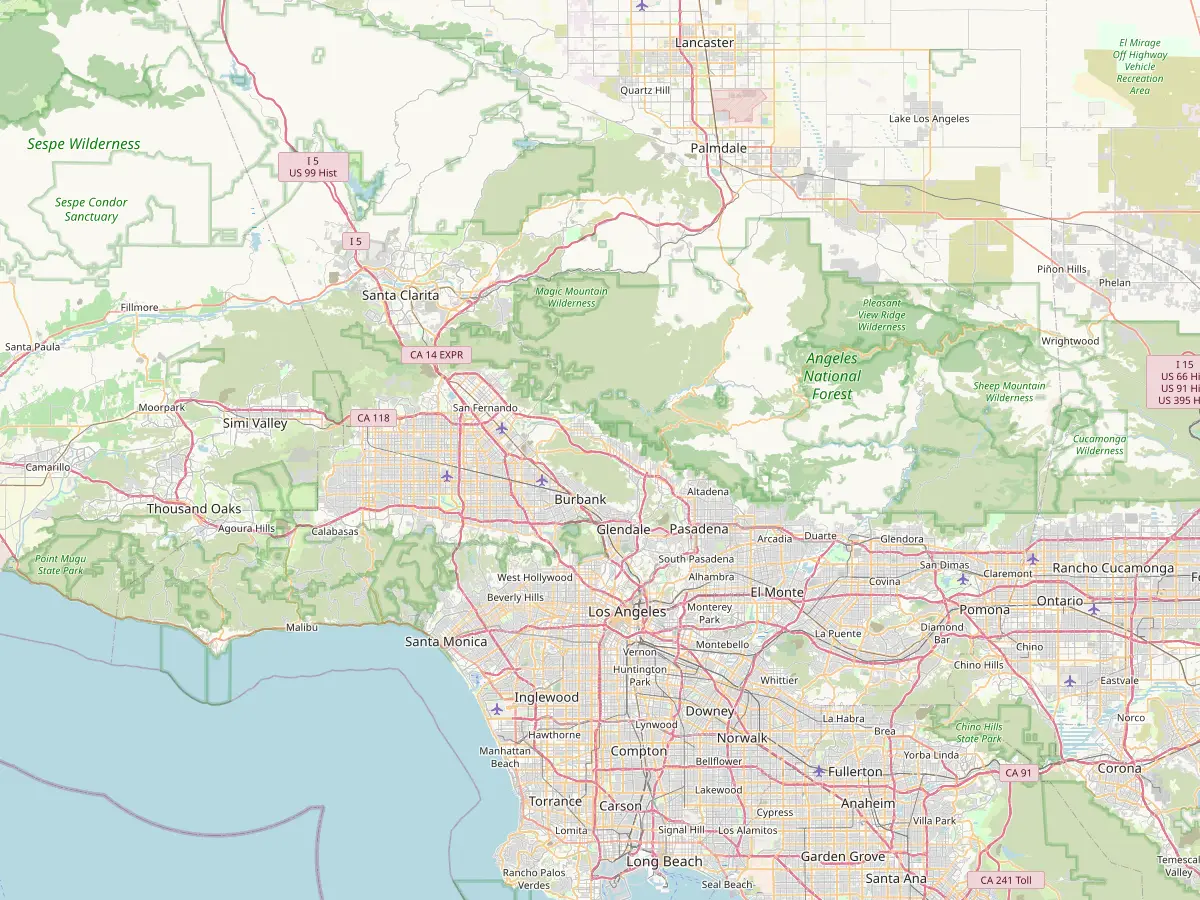
14.01
Average
Map Ranking
2.32
Average
Map Ranking
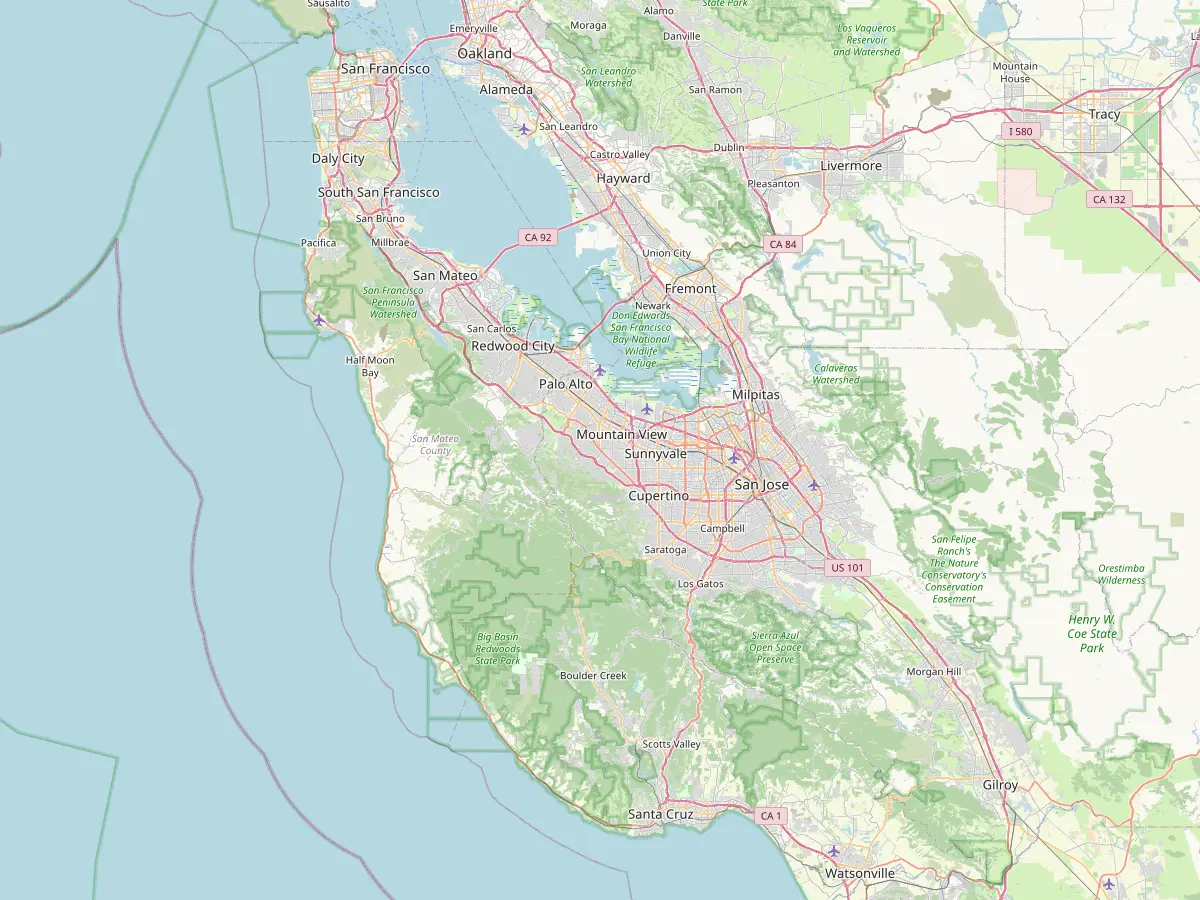
13.92
Average
Map Ranking
2.24
Average
Map Ranking
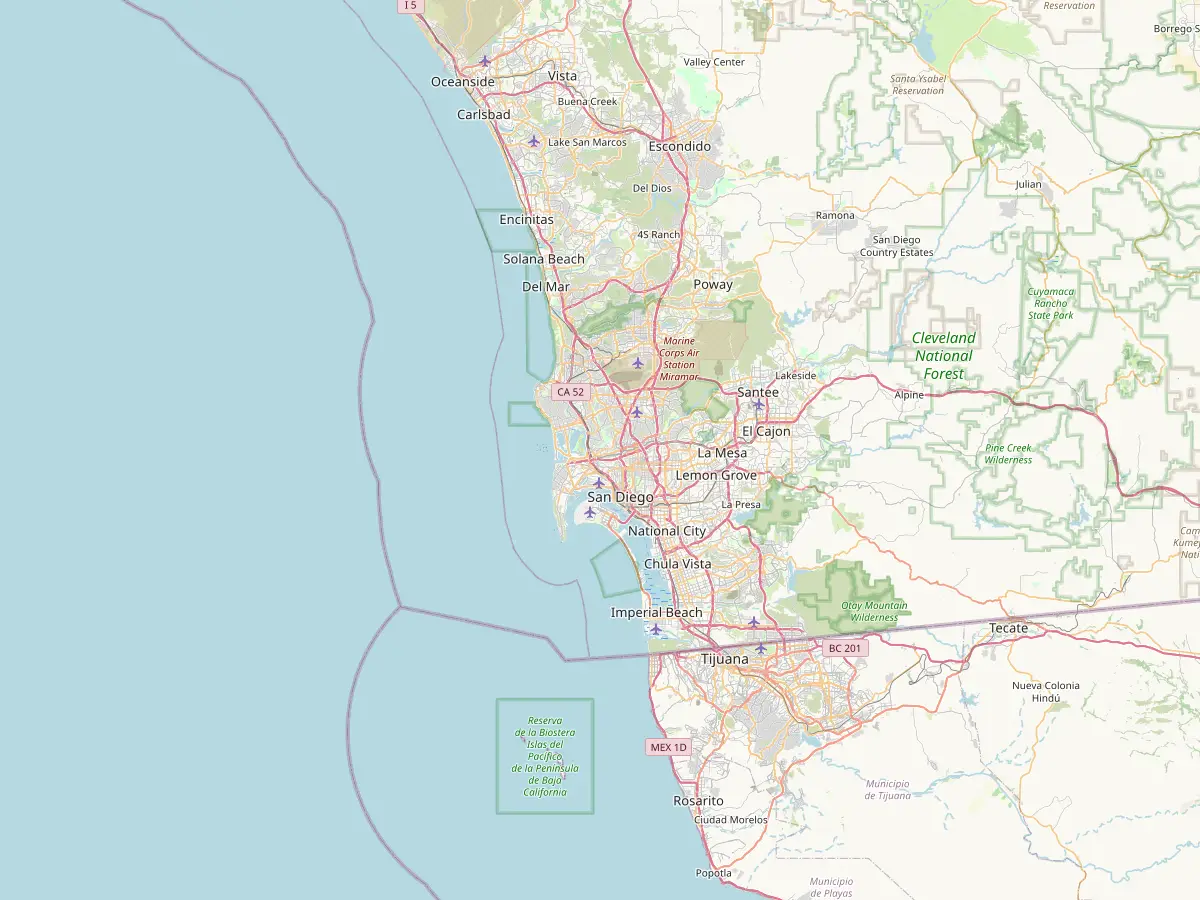
14.47
Average
Map Ranking
2.44
Average
Map Ranking
13.98
Average
Map Ranking
2.16
Average
Map Ranking
Why us
We've managed $30M+ in ad spend, and personal injury is the category where the paid numbers are largest and the organic patience is best rewarded.
Map Pack position anchors to your office. In a saturated metro that means a realistic slice, not the whole city — and we will tell you if the honest answer is narrow rather than sell you a citywide promise.
What to do after an accident, whether to accept the first offer. Those searches happen days earlier, are far less contested, and convert badly on a cost-per-click basis — which is exactly why organic wins them.
Claims, results, testimonials and disclaimers apply to organic pages and profiles exactly as they do to ads. We build against your jurisdiction and route anything ambiguous past your firm before it runs.
We don't run Local SEO for the firm across town. One client per practice area per metro, because Map Pack position is zero-sum.
Every account runs the same five-stage loop — Discover, Design, Deploy, Decode, Dominate — so nothing depends on guesswork or heroics.
$30M+
In ad spend managed
4.8×
Average ROAS, active accounts
40+
Service businesses scaled
100+
Performance campaigns delivered
The offer
Start with a free Local Visibility Audit. We'll show you where you actually rank across a geographic grid, what your profile is getting wrong, and which of the three ranking inputs is holding you back — no commitment, yours to keep.
Knowledge Base
The same playbook we run on your rankings, written down.
Energy Star Builders
Shawn & his team at growth key marketing have done an exceptional job bringing my business up to speed with all of the modern tech & automations.
Koalaty Remodel
My vision came alive effortlessly. Their blend of casual and professional approach made the process a breeze. Creativity flowed, and the results were beyond my expectations.
Lumiere Catering
Working with Growth Key Marketing has been a fantastic experience! They helped me set up Facebook Ads that actually work. I was blown away by how quickly the ads started bringing i...
Air1 Moving and Storage
It was an absolute pleasure working with them to create a website that truly reflects the quality and professionalism of their moving and storage business. We're thrilled to hear that the new site is making such a big difference! Our goal is always to deliver a seamless experience—both for our clients and their customers—so it's amazing to know that their new website is not only looking great but also helping build credibility and improve functionality. We truly appreciate their trust in GrowthKey, and we're here whenever they need us. Wishing them continued success! 🚀
Space Production
Growth Key Marketing completely transformed our lead generation. Their targeted Facebook campaigns delivered high-quality inquiries almost immediately, and the ROI has been outstanding from day one. Highly recommend their expertise!
NAVA Management
The team at Growth Key took our outdated online presence and turned it into a sleek, high-converting website with smart automations. Leads are coming in consistently now—it's made running the business so much smoother. Truly impressed!
Alluna Dental
We partnered with Growth Key for both website redesign and ongoing digital marketing. The new site looks professional and patient-friendly, while their Facebook ad strategy brought in a steady stream of new appointments. Excellent communication and real results!
CIG Law
Growth Key Marketing nailed our rebranding and online marketing needs. From custom automations that save us hours every week to effective ad campaigns that attract the right clients, they've been a game-changer for our firm. Professional, creative, and dependable.
Move Happy Moving
I can't say enough good things about working with Shawn and the Growth Key team. They built us a modern website that showcases our services perfectly and set up automations for inquiries and follow-ups. Our online bookings have doubled—worth every penny!
FAQ
Straight answers about Local SEO for a personal injury firm — tight enough for AI to lift verbatim.
Because the Map Pack sits on the same results page and charges nothing per click. Personal injury has some of the most expensive keywords in advertising — competitive accident terms can run into the hundreds per click — and organic local position is the one place on that page where a competitor's budget does not directly raise your cost.
Longer than any other category we work in: 8–16 weeks for first visibility gains and 6–12 months for meaningful case volume. Personal injury is the most contested local category in existence. A firm that needs signed cases this quarter should fund paid and let this build underneath it.
Most firms run $3,000–$8,000/month, higher than any other cell in this column because the competition and the content work are heavier. By month twelve the effective cost per signed case typically lands between $900 and $3,500, against paid acquisition commonly running $3,000–$12,000+.
Realistically, in parts of it. Map Pack position anchors to your office address, so a firm in a hundred-firm metro is competing for visibility in the areas around its own location rather than citywide. We map where you can actually win before promising anything, and we will tell you if the honest answer is a narrow slice.
The questions that come before “lawyer.” What to do after an accident, whether to accept the first offer, how long a claim takes, what a case might be worth. Those searches happen days earlier and are far less contested — and they convert poorly on a cost-per-click basis and extremely well on a relationship basis.
Yes. Auto, truck, premises, medical malpractice and workers' compensation are separate searches with different values, and a generalist listing competes weakly for all of them. Truck and malpractice terms in particular are worth substantially more than general auto and are less contested.
It has to be a process rather than a request. This is the hardest review environment in our matrix — clients are slow to leave them and cases close long after the moment of gratitude. Building it into case closure, with the timing handled deliberately, is what separates firms that accumulate from firms that ask occasionally.
Yes. Legal advertising is governed by your state bar's rules on claims, results, testimonials and required disclaimers, and they apply to organic pages and profiles exactly as they do to ads. We build against your jurisdiction's requirements and route anything ambiguous past your firm before it goes live.
More than general citations affect the trades. Legal directories are unusually influential in this category, and inconsistent bar details or addresses across them dilute exactly the signal Google is trying to trust. It is worth auditing rather than assuming it was handled.
For the recommendation question, yes — profile accuracy, legal directory consistency and reviews all feed the answer when an assistant is asked to name a firm. What Local SEO does not reach is the case evaluation itself, which assistants now perform for free in the first 72 hours. Being the source behind that is a separate discipline, covered on our AEO page for personal injury firms.
Never in the same market. Map Pack position is zero-sum — there are three slots — so two clients in one metro would be working directly against each other.
It's yours. The profile, the pages, the reviews, the citations and the documentation stay with your firm — we build it, we never hold it.
More for personal injury firms
A free Local Visibility Audit: your real position across a geographic grid rather than one averaged number, where in your metro you can realistically win, and what your profile is getting wrong — no commitment, yours to keep.