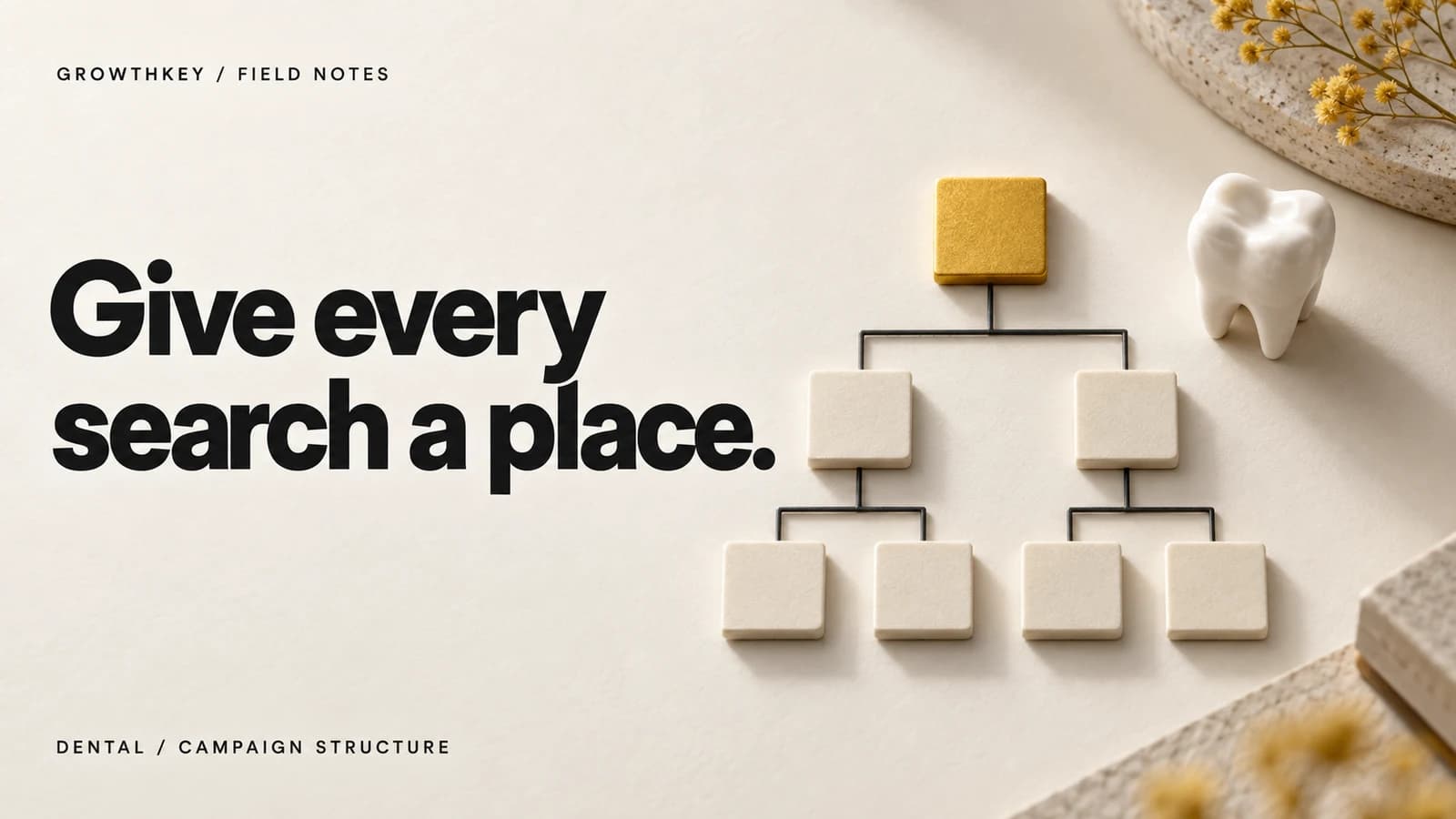
Dental PPC campaign structure: what to separate and what to combine
Organize dental PPC by budget, hours, location and patient intent. Use a practical account map without fragmenting a limited budget.
Google AdsDental MarketingCampaign Structure
Tom runs GrowthKey campaigns day to day and holds them to the numbers that move the business — booked jobs and cost per acquisition, not impressions. He writes from inside the accounts: Local Services Ads, Google Business Profile, Meta, landing pages, and the answer-engine work that gets service businesses named inside AI search.
Organize dental PPC by budget, hours, location and patient intent. Use a practical account map without fragmenting a limited budget.
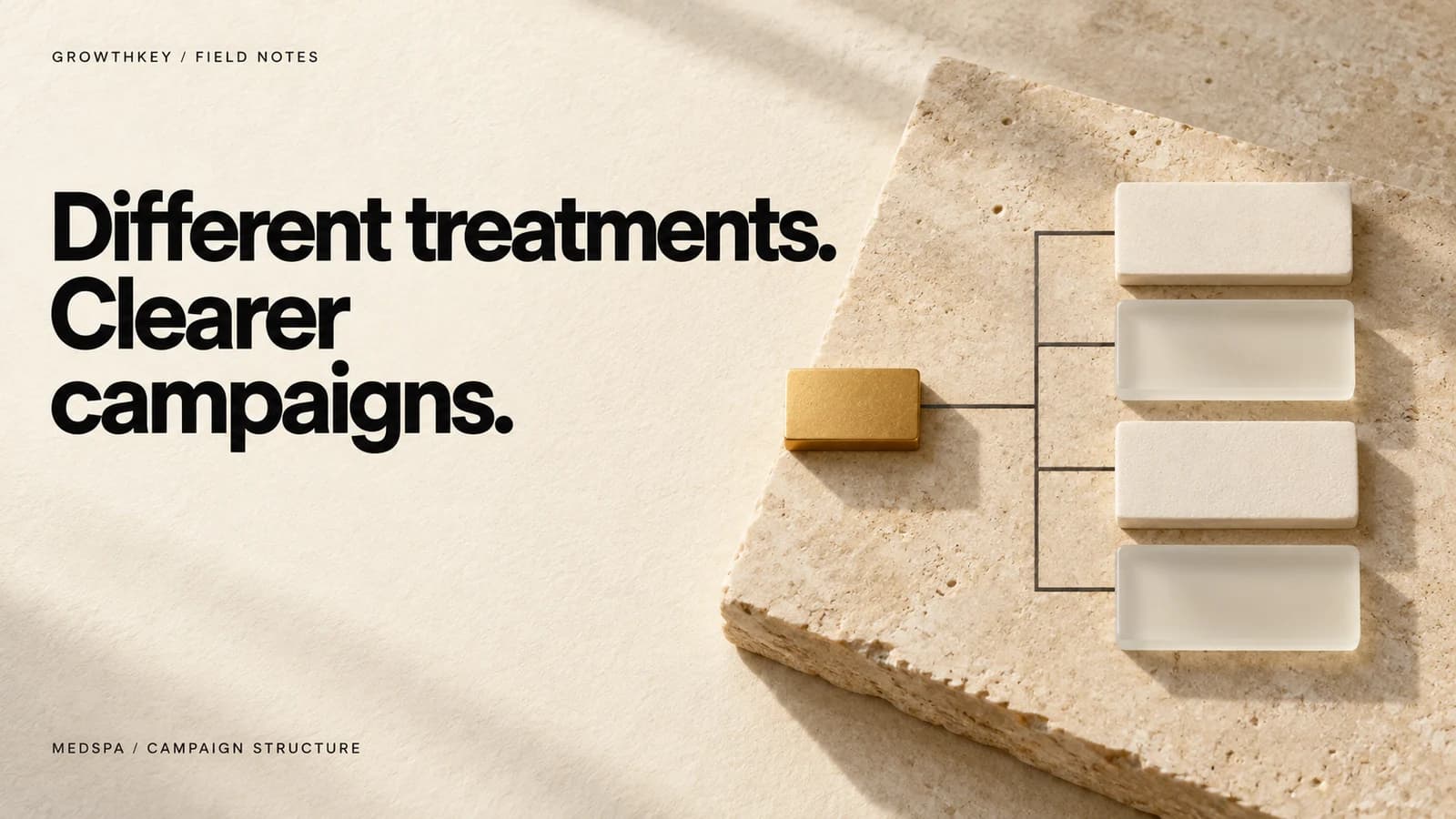
Decide when MedSpa treatments need separate campaigns, budgets and pages. Includes an account map, routing checks and launch checklist.

Connect dental calls to new-patient enquiries, bookings and attendance. Define sources, duplicate rules and reporting without exposing patient records.

Build a MedSpa measurement plan for enquiries, consultations, treatment and repeat revenue. Includes event definitions, duplicate rules and reconciliation.

Configure a dental Google Business Profile with accurate categories, practitioner decisions, service details and booking links. Includes a maintenance plan.

Build an accurate MedSpa Google Business Profile. Review categories, treatment services, providers, imagery and booking links with a clear maintenance plan.
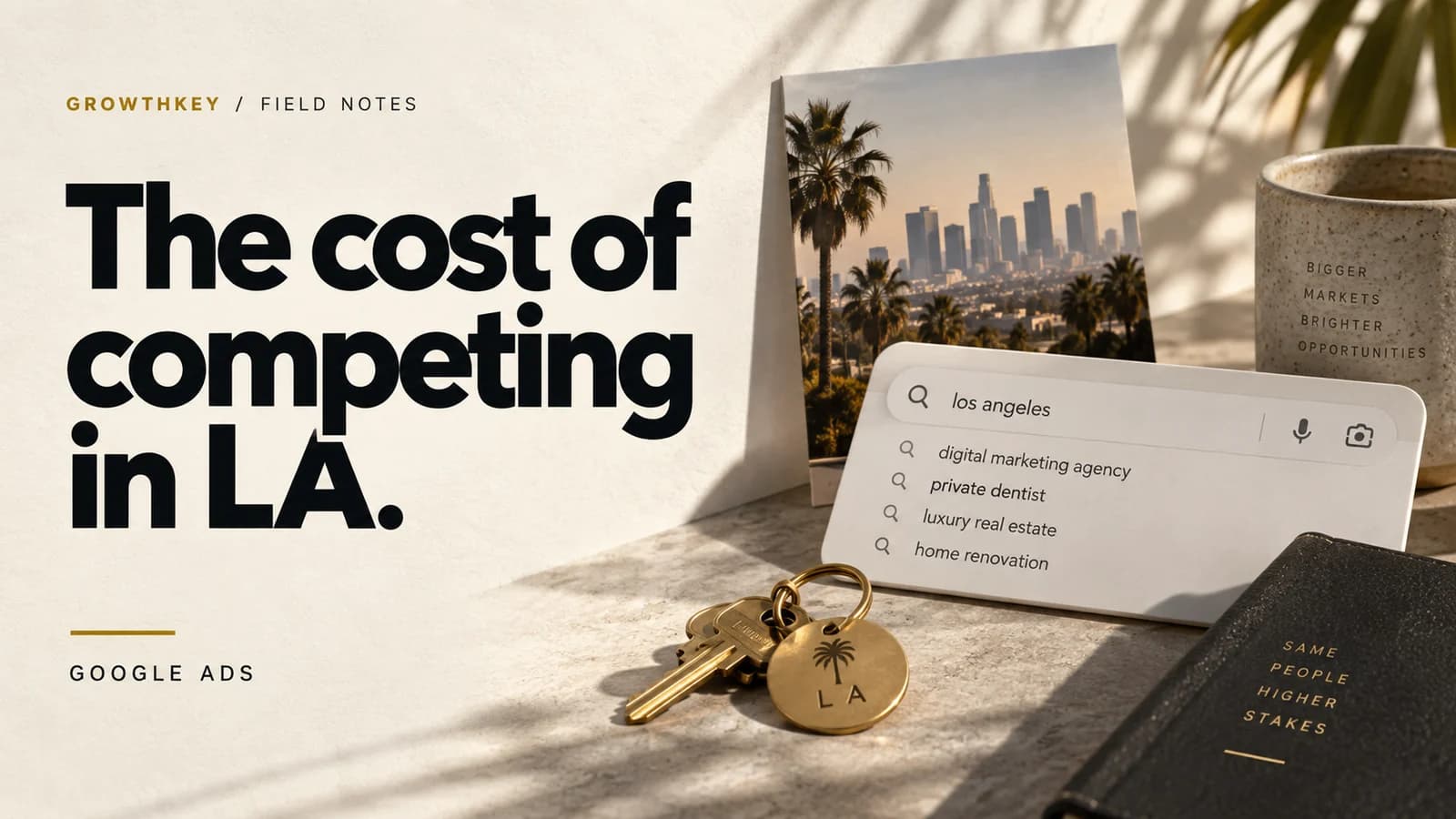
Observed click costs from LA-market accounts, plus the four things about this city — sprawl, a cooling-dominant calendar, competitive density, and language — that change how a campaign has to be built.
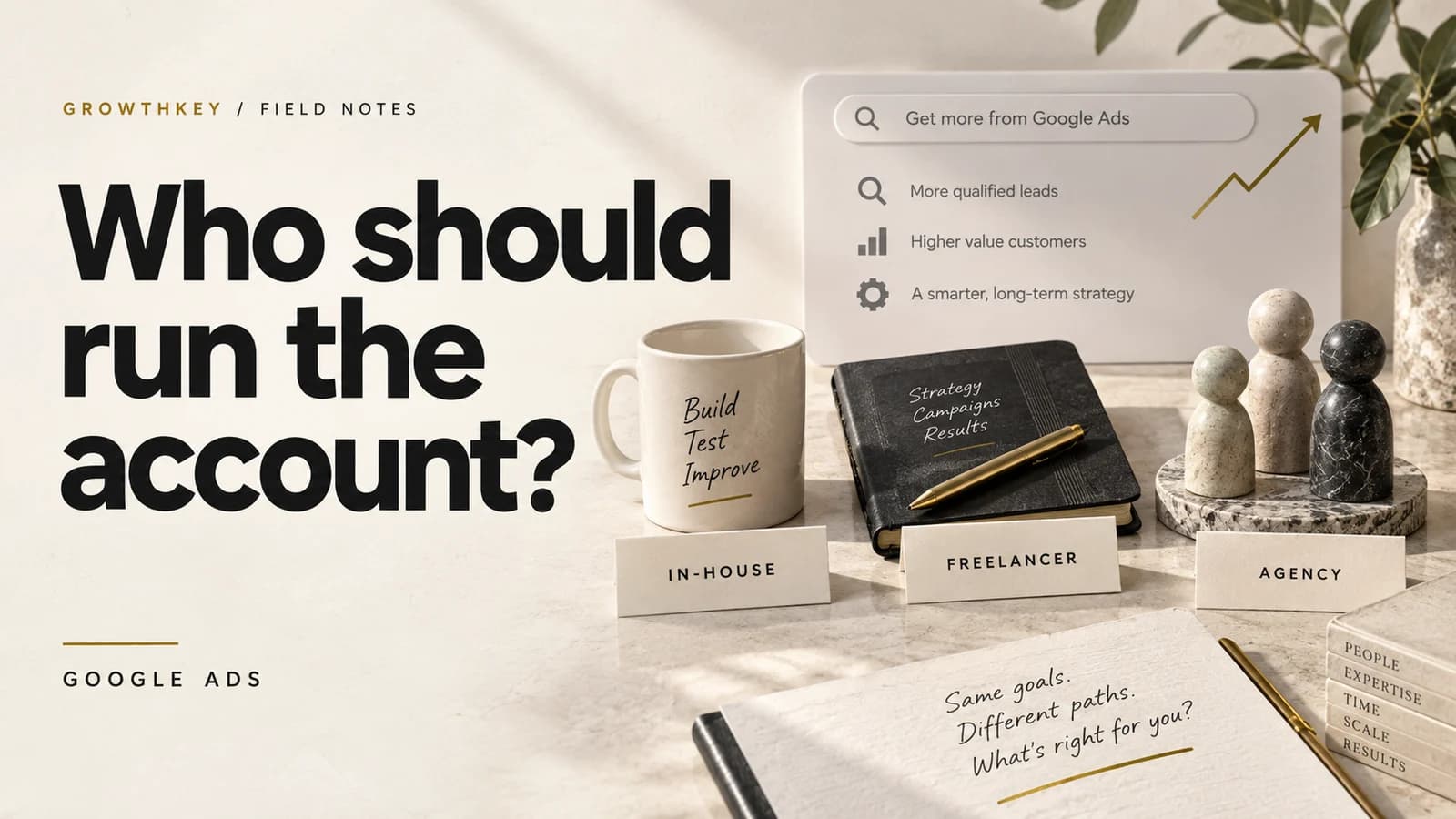
The honest comparison, including the spend levels where hiring an agency is the wrong answer. Decided by attention and accountability, not by hourly cost.

Most CRM comparisons are written by CRM companies. Here is the shortlist of things that decide whether your software helps your marketing — or hides it.
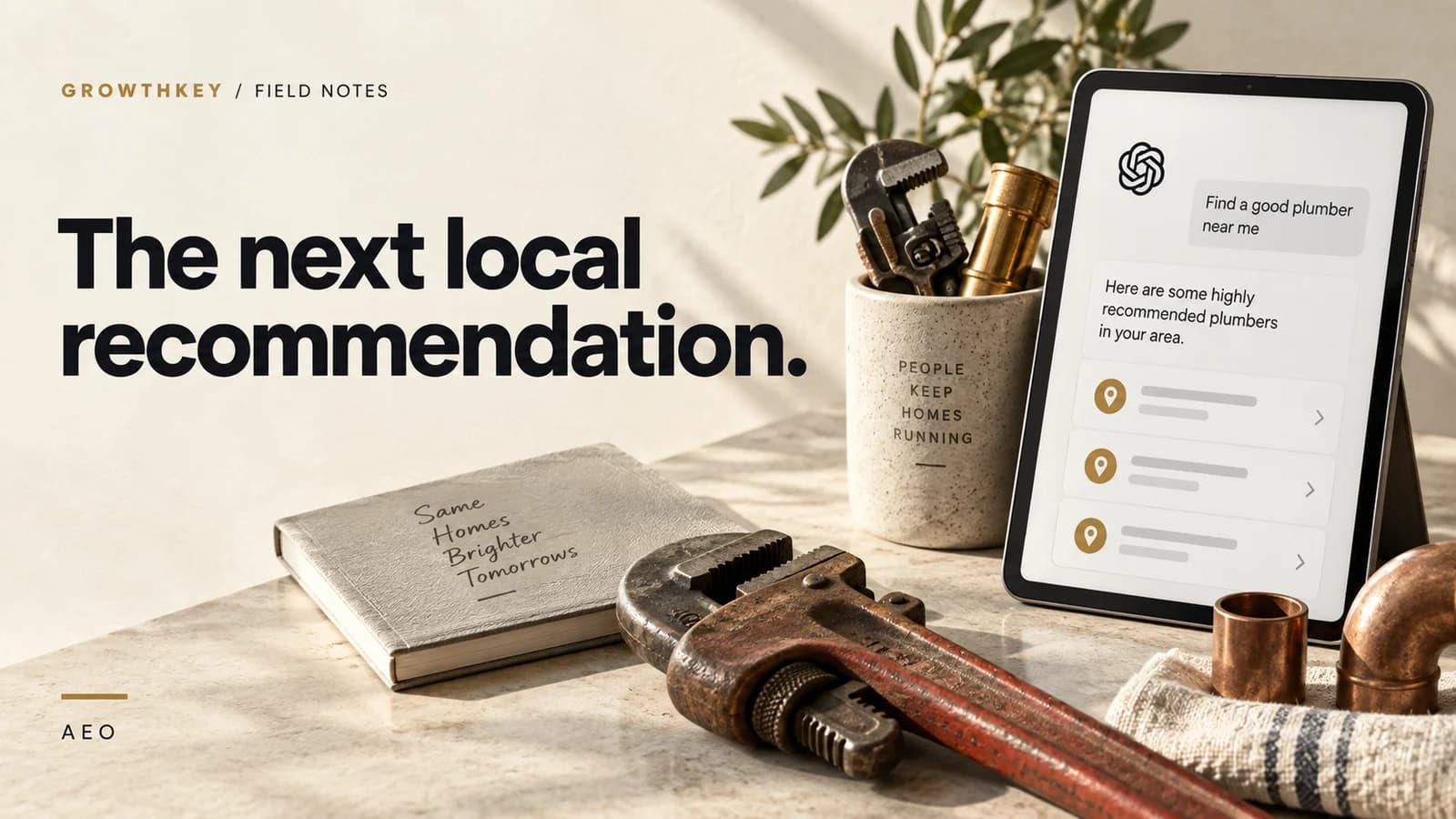
The AI answer now decides whether a homeowner calls anyone at all. What plumbing questions engines actually get, and how to become the name in the answer.
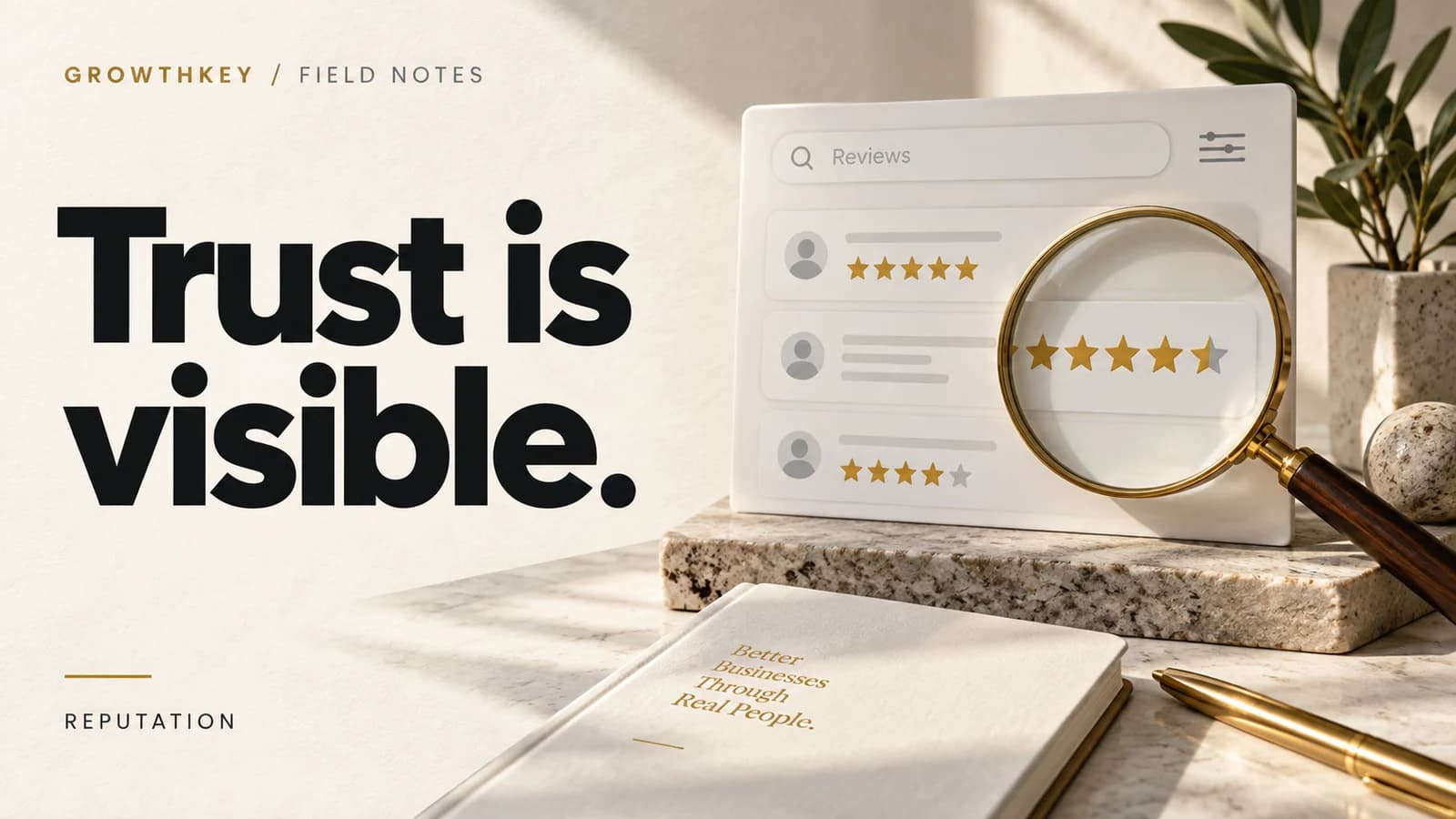
Not "reviews build trust." The mechanism — how rating and velocity move LSA placement, map-pack rank, and AI answers — plus what the FTC made illegal in 2024.

Your ad account optimizes toward whatever you feed it. Here is how to feed it reality — booked jobs and revenue, imported back where the algorithm can learn.

Calls are most of your conversions and none of your data until you wire this. DNI, per-channel numbers, the NAP trap, and the Oct 1 reason to hurry.
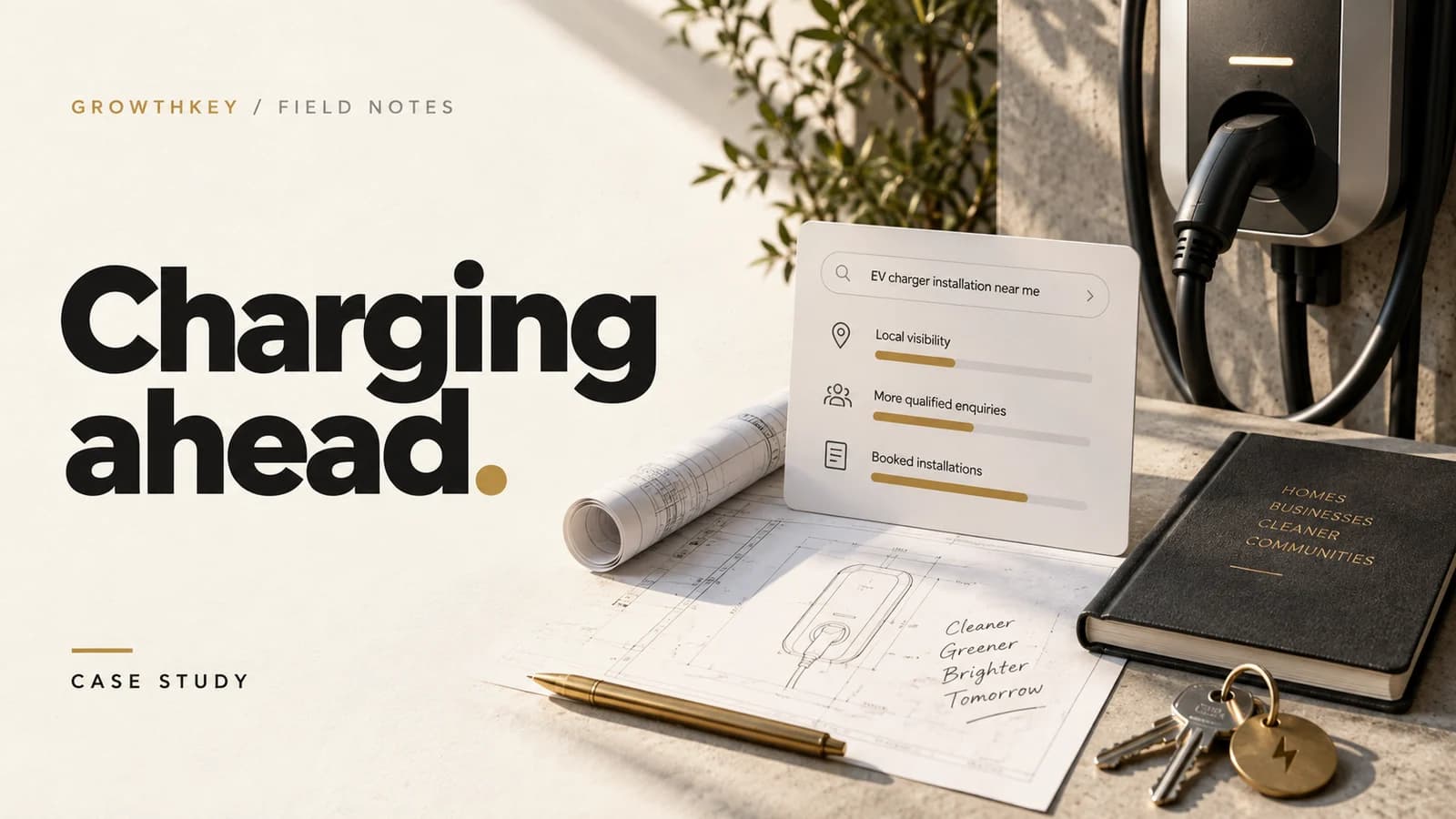
Energy Star Builders picked one service to lead with, followed the cost-per-lead data to Meta, and turned $14.4K of spend into $74K+ of tracked revenue.

You cannot pick keywords and you cannot simply outbid your way up. What moves Local Services Ads ranking — documented inputs plus what we observe.

One captures a typed keyword; the other enters a conversation. Where each wins, what transfers, and how to run both on one scoreboard.

The green badge is gone — replaced by blue "Google Verified," minus the $2,000 guarantee. What the program costs by trade now, from our own accounts.

Ads inside ChatGPT are real, self-serve, and young. What's verified as of August 2026, what a test costs, and how we'd measure yours to booked jobs.

Answer Engine Optimization is how brands get named inside AI answers. Here is how the engines choose their sources — and how to become one.

Local Services Ads and Google Ads solve different problems — and Google is now folding one into the other. The 2026 changes, and the sequence we still run.

Conversion work looks like magic until you see the checklist. These are the five levers we test on every page, in order of impact.
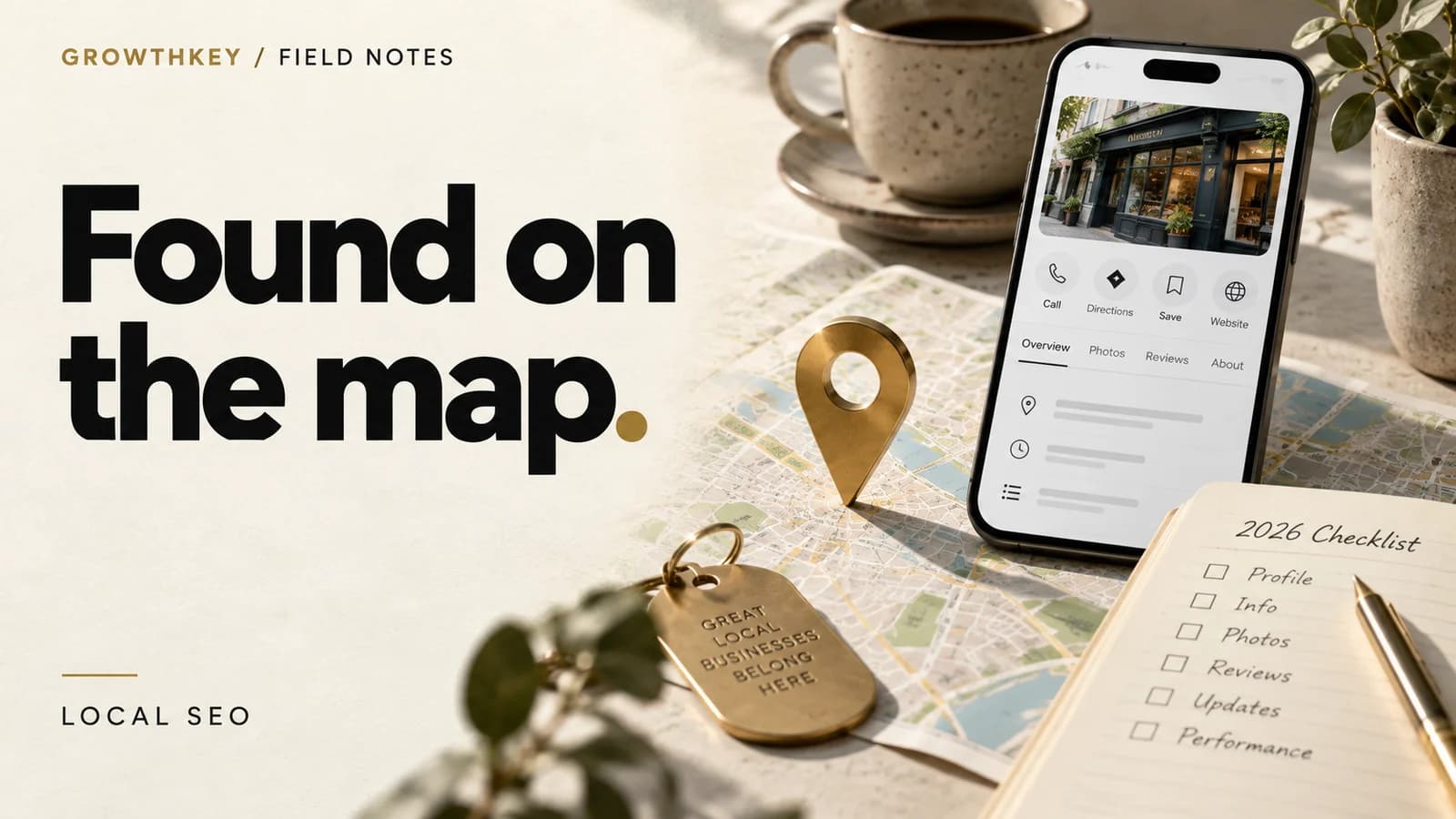
Your GBP is the highest-leverage free asset in local marketing. This is the maintenance checklist we run for every local client.

Nobody scrolls Instagram looking for a plumber — and that's fine. Meta ads work when each audience stage gets its own message.